Best ERP Software for Construction Companies in 2025
In the fast-paced construction industry, managing multiple projects, budgets, subcontractors, materials, and timelines can be overwhelming without the right technology. This is why more contractors and construction firms are turning to the best ERP software for construction to streamline their operations, reduce waste, and increase profit margins.
What Is Construction ERP Software?
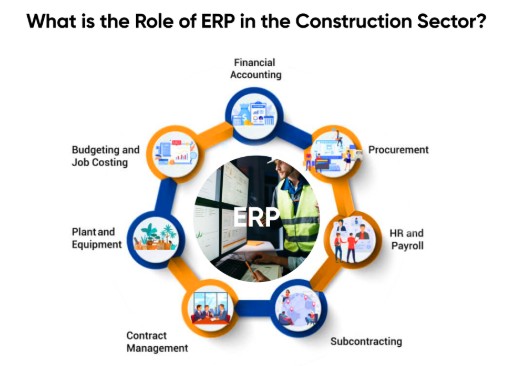
Construction ERP software is a comprehensive, integrated platform designed specifically for the needs of construction companies. It centralizes project management, accounting, procurement, inventory, HR, and more into a single system. The goal is to enhance coordination, ensure real-time visibility, and improve decision-making across the entire organization.
Key Features to Look for in Construction ERP
The best ERP software for construction should include the following capabilities:
- Project Management: Real-time tracking of project progress, milestones, budgets, and timelines.
- Job Costing: Accurate estimation and tracking of costs associated with labor, materials, and equipment.
- Financial Management: Integrated accounting, billing, and reporting tools.
- Procurement & Inventory: Manage materials purchasing, supplier relationships, and stock levels.
- Contract & Subcontractor Management: Tools to manage agreements, compliance, and payments.
- Document Control: Centralized storage for blueprints, contracts, permits, and RFIs.
- Mobile Access: Cloud-based access for field teams and office staff.
Top ERP Software Options for Construction in 2025
Here are some of the leading ERP systems tailored for the construction industry:
- Procore: A cloud-based platform known for project management, job costing, and collaboration tools.
- Viewpoint (Trimble): Offers end-to-end construction management for contractors, builders, and civil engineers.
- Sage 300 Construction and Real Estate (CRE): Ideal for mid-sized firms needing strong financial tools.
- CMiC: Designed specifically for large construction firms, with a focus on unified project delivery.
- Acumatica Construction Edition: A modern, cloud-based ERP with powerful financial and project controls.
- Buildertrend: Great for residential builders looking for scheduling, CRM, and budgeting features in one place.
Benefits of Using Construction ERP Software
Investing in the best ERP software for construction offers long-term benefits:
- Improved Budget Control: Real-time cost tracking prevents over-budgeting and improves forecasting.
- Better Collaboration: Seamless communication between teams, departments, and stakeholders.
- Increased Productivity: Automation of tasks and document handling reduces manual work.
- Data-Driven Decisions: Access to real-time dashboards and reports for faster insights.
- Regulatory Compliance: Ensure safety, labor, and financial compliance with built-in tools.
Conclusion: Choose the Right Construction ERP for Your Needs
The best ERP software for construction is one that fits your company’s size, budget, and specific workflow requirements. Whether you’re a general contractor, specialty subcontractor, or a large construction firm, choosing the right ERP system can drastically improve how you manage projects, teams, and profitability.
Before choosing a solution, consider a detailed needs analysis, review case studies, and schedule product demos. The right ERP partner will not only offer the software but also guide you through implementation, training, and long-term support.