Benefit Using MRP Software
Manufacturing businesses face constant pressure to produce high-quality products, control costs, and deliver orders on time. One effective solution is Material Requirements Planning (MRP) software. MRP helps businesses manage materials, production schedules, inventory, and purchasing more efficiently.
One of the biggest benefits of using MRP is better inventory management. Businesses can determine how much raw material is required and when it should be purchased. This reduces excess inventory, minimizes storage costs, and helps prevent material shortages that could delay production.
MRP also improves production planning. By analyzing customer orders, inventory levels, production requirements, and lead times, MRP software can create more accurate production schedules. This allows manufacturers to organize their resources and make better use of machines and employees.
How Businesses Benefit from Using MRP Software
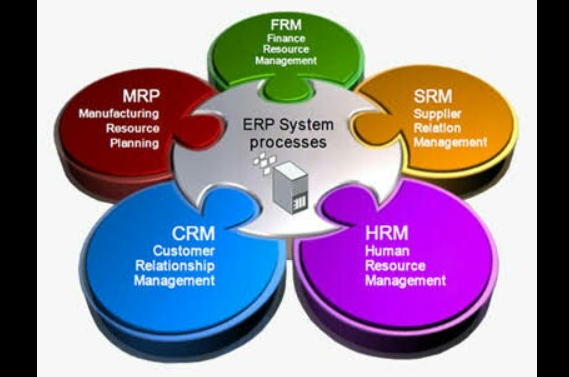
Another important advantage is cost control. Businesses can reduce unnecessary purchasing, avoid overproduction, and identify production inefficiencies. Better planning can help companies lower operational expenses while maintaining consistent product quality.
MRP can also improve communication between different departments. Purchasing, production, inventory, sales, and management teams can work with the same information. This reduces manual data entry and helps employees make faster and more informed decisions.
For growing businesses, MRP software can provide scalability. As production volume, product lines, and customer orders increase, managing materials manually becomes increasingly difficult. An MRP system can automate many repetitive processes and provide real-time information for better decision-making.
Overall, MRP software is a valuable tool for manufacturing businesses that want to improve efficiency, control costs, and optimize production. By providing better visibility into materials, inventory, and production schedules, MRP helps businesses operate more efficiently and remain competitive in a demanding market.